Europe At A Biotech Crossroads As Digital Gaps Challenge Global Ambitions
February 25, 2026 | Wednesday | News | By Ankit Kankar | ankit.kankar@mmactiv.com
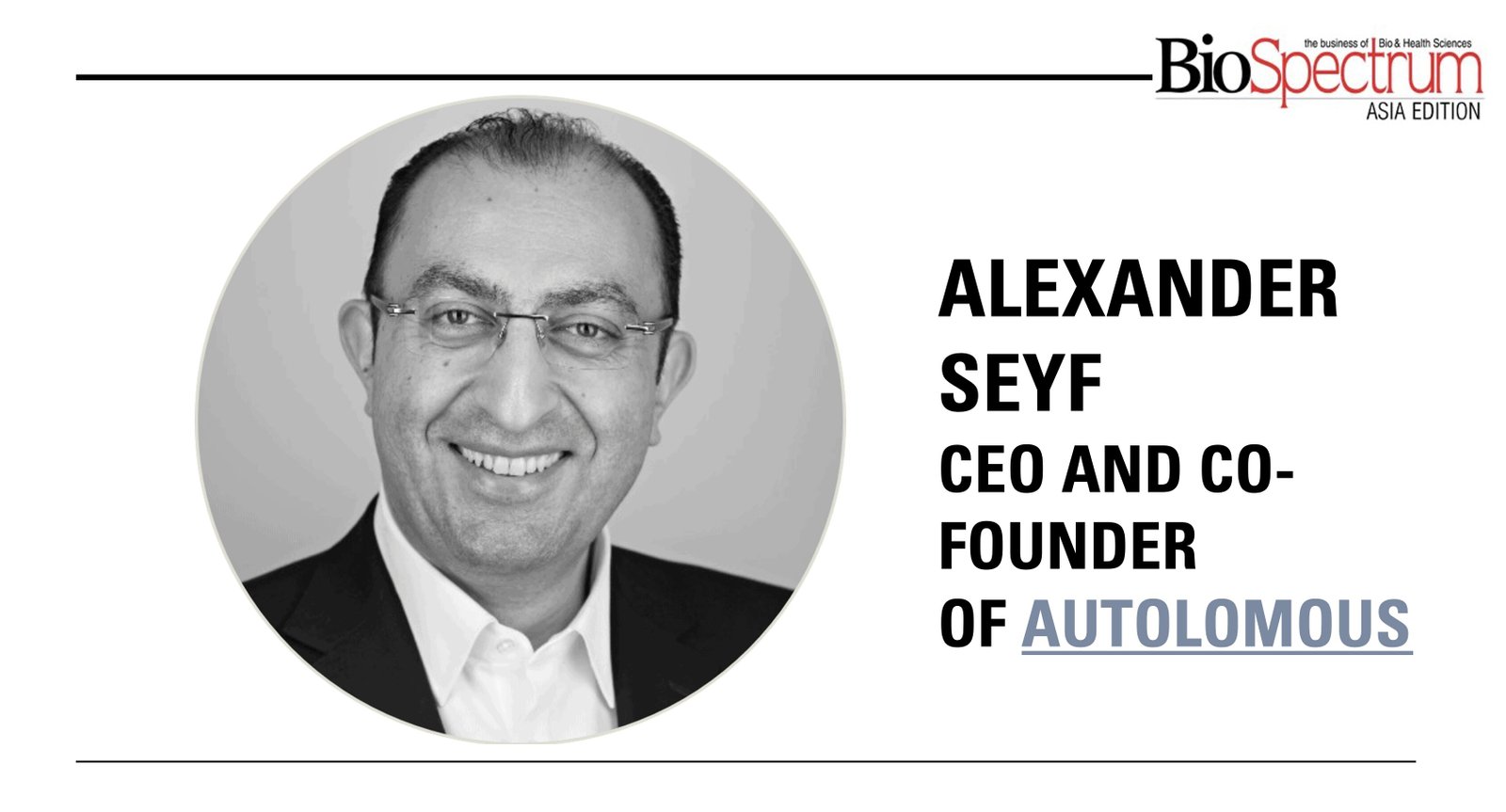
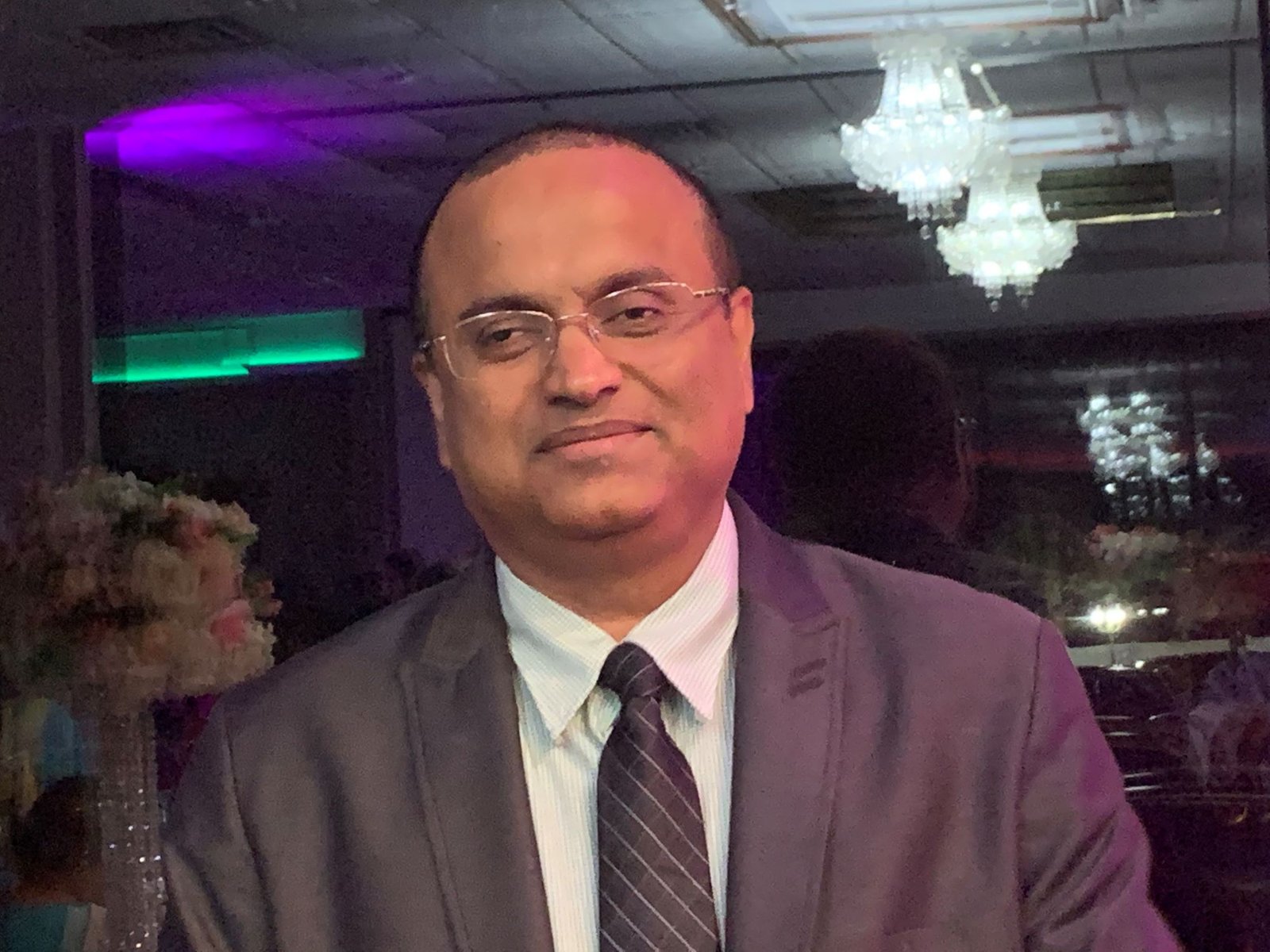
Autolomous CEO Alexander Seyf outlines why Europe must close its processing deficit, connect intelligence across ecosystems, and prioritise mission driven collaboration to compete with the US and Asia in 2026
In this exclusive conversation with BioSpectrum Asia, Alexander Seyf, CEO and Co founder of Autolomous, offers a candid assessment of Europe’s biotech landscape as it moves into 2026. From the urgent need to replace manual data capture with real time operational visibility, to building a connected ecosystem model inspired by aviation safety, Seyf argues that Europe’s scientific depth remains formidable. However, only those companies that integrate data, align technology with purpose, and collaborate beyond silos will emerge as global leaders in cell and gene therapy manufacturing.
How would you characterise Europe’s biotech position today compared with the US and Asia as we move into 2026?
As of 2026, Europe maintains a strong scientific foundation but faces a critical "processing gap". While the United States remains the global leader in raw AI investment and the Asia-Pacific region has become a "capability powerhouse" in AI adoption, Europe is struggling with the transition from pen-and-paper to a fully digitised ecosystem.
We view the current landscape through these lenses:
- The Data Capture Struggle: While Pharma has accumulated vast data, European biotech is still catching up on the journey of digitising the ecosystem to capture data at a better pace.
- The Legacy Tool Trap: Europe often relies on tools available from a traditional Pharma perspective, which are not catered for the specific, high-frequency data needs of Cell and Gene Therapy (CGT).
- The "Processing Power" Deficit: The short answer for 2026 is that we need more processing power to make sense of the "thousands of data points" generated by every single autologous patient.
What structural strengths give Europe a credible edge as a global biotech innovation hub?
Europe’s edge lies in its deep scientific roots and the potential for a "connected" model of intelligence. I argue that Europe can lead if it leverages its human intelligence alongside the processing power of technology.
The intelligence resides in European humanity and beings, providing the foundational force for science to progress. Europe is structurally positioned to connect scientific data, manufacturing data, and post-treatment efficacy - a "three-legged stool" that, if balanced, creates an amazing force for progress.
Despite claims to the contrary, I insist quality data exists; the strength lies in finally capturing it to make the manufacturing process leaner and more accessible worldwide.
Fragmentation across regulations, infrastructure, and languages remains a challenge. What practical steps can Europe take to operate more like a single ecosystem?
To overcome fragmentation, Europe must move from a "0-sum game" to a "black box" model of shared intelligence.
Practical steps must involve breaking the silos between discrete silo entities to create a streamlined, connected ecosystem. Europe should emulate the aviation industry, and more specifically, its ‘black box approach’, where an incident in one area informs the entire community to ensure the survival of the whole field. Companies must share experiences - especially failures - that are not IP-related to prevent academics and startups from wasting years on the same dead ends.
Switzerland is often cited as a biotech success story. What lessons can other European markets draw from it?
Switzerland’s success provides the European – and wider, global market –with several lessons and approaches that have led to its success. Switzerland prioritizes its ecosystem over silos and recognizes that success comes from seeing the "whole thing" as an ecosystem of nature rather than subjective, isolated wins.
Switzerland often identifies the "right tools", building a strategic tool sets rather than optimising outdated ones - a lesson other markets must learn to avoid destroying their progress.
The Swiss model thrives because it recognises “collective survival”. When the field, as a whole, is prosperous, everyone benefits, whereas working in silos leads to the breakdown of society and science.
From a digitalisation and operational perspective, where are European biotech companies still falling short, and how can this be addressed?
The most significant shortfall is the "Manual Capture" habit and the lack of real-time line-of-sight into cell viability.
Many biotechs are still running in an old-fashioned way of manually capturing data, relying on ‘pen and paper’ methods which prevents AI from being able to "make sense" of the information. To enable digitalization and effective use of AI tools, we need live, real-time cell viability data every second, yet we often lack the "modular" integrated systems to provide this momentarily.
Despite the lack of live data, and incompatible manual data capture methods, companies often invest in overcomplex AI without defining the purpose – this ‘overkill’ is comparable to bringing in "24-wheel lorries" when they haven't yet defined "the goods" they need to transport.
There's a clear gap to address. We must sit down with scientists to define the specific toolsets needed, rather than just being passive consumers of technology.
Looking ahead to 2026, what will separate European biotech leaders from those that struggle to scale globally?
The leaders of 2026 will be those who "connect the dots":
- Integration of Data Lakes: Leaders will use a single "engine" to work across different discrete data parts - gardening, law, technology, and medicine - without silos.
- Live Operational Sight: The ability to have "momentary" data in every second of manufacturing will separate global leaders from those stuck in traditional Pharma timelines.
- The "Fourth Leg" Advantage: Future leaders will address the "big elephant in the room" - correlating genetic family data to find solutions for diseases like oncology.
- Mission-Driven Collaboration: Those who prioritise the mission of "not losing lives" over a zero-sum game will be the ones who successfully scale and thrive.