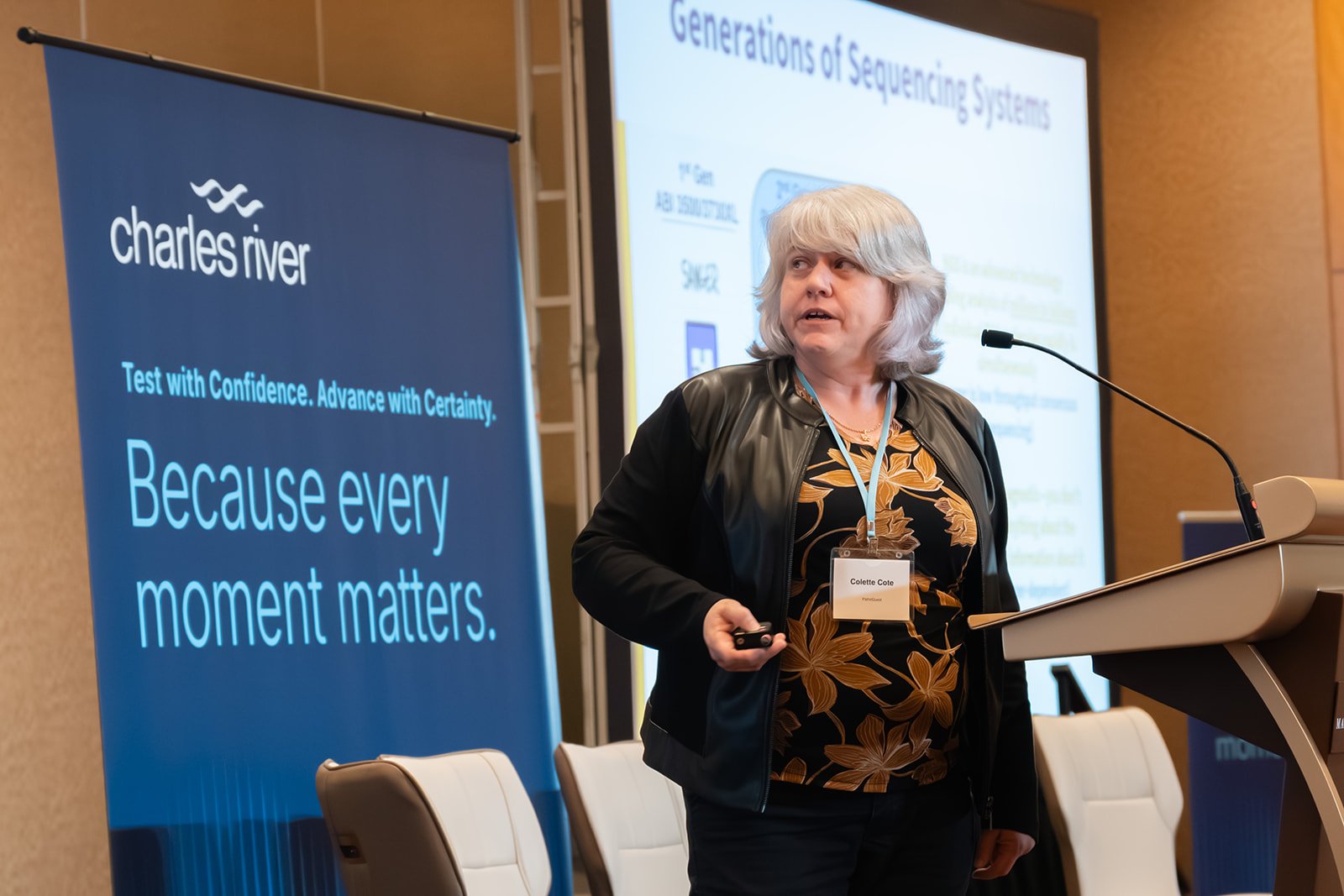
Next generation sequencing is rapidly transforming how biopharmaceutical companies detect contaminants, monitor product safety, and strengthen regulatory compliance across biologics development. Speaking at the APAC Biomanufacturing Leadership Summit 2026 presented by Charles River, Colette Côté, PhD, General Manager, Chief Scientific and Portfolio Manager at PathoQuest, discussed how next generation sequencing technologies are moving from innovation to practical implementation across the Asia Pacific biopharmaceutical sector.
In her session titled From Innovation to Implementation: NGS and Regulatory Considerations in APAC, Côté explained that next generation sequencing has become an important analytical tool for ensuring the safety and quality of biologics, vaccines, and advanced therapies. By enabling highly sensitive and comprehensive detection of viral contaminants and adventitious agents, NGS provides a powerful complement to traditional testing methods used in biomanufacturing.
Côté noted that as biologics pipelines expand and manufacturing platforms become more complex, the need for advanced detection technologies has grown significantly. Next generation sequencing allows scientists to analyse genetic material from a wide range of potential contaminants simultaneously, providing deeper insight into viral safety risks across production systems.
One of the central themes of the session was the growing regulatory interest in integrating NGS technologies into biologics development workflows. Regulatory agencies are increasingly recognising the value of NGS as a tool for improving viral safety testing, particularly in complex biologics and cell and gene therapy manufacturing processes.
Côté emphasised that while the technology has matured significantly, successful implementation requires alignment between scientific capability and regulatory expectations. Biopharmaceutical companies must demonstrate the reliability, sensitivity, and reproducibility of NGS methods while integrating them into validated quality systems.
She also highlighted that the Asia Pacific region is rapidly strengthening its regulatory and technical capabilities in advanced biologics development. As countries across the region expand investment in biotechnology infrastructure and manufacturing innovation, adoption of advanced analytical technologies such as NGS will play an important role in supporting global competitiveness.
Another important aspect discussed during the session was the role of NGS in improving manufacturing process understanding. By enabling earlier detection of potential contamination events, the technology can help manufacturers respond more quickly and protect product integrity throughout the production lifecycle.
Côté concluded that next generation sequencing represents a powerful step forward for biopharmaceutical quality assurance. By combining scientific innovation with strong regulatory engagement, companies can move beyond traditional testing approaches and build more robust safety frameworks for modern biologics and advanced therapies.
About The Event
This session was part of the APAC Biomanufacturing Leadership Summit 2026 presented by Charles River, a leadership forum bringing together biopharmaceutical manufacturers, CDMOs, biotechnology innovators, investors, and regulatory experts from across the Asia Pacific region.
The summit focuses on advancing discussions around next generation biomanufacturing, regulatory readiness, advanced analytics, and global collaboration required to support the rapidly evolving biologics and advanced therapy landscape.
For more information visit https://events.criver.com/event/APAC2026/summary.